21 October 2026
Understanding Candidacy for Liposuction in Michigan
Presented by @titusjmyh824
Liposuction can be a very effective procedure for the right patient, but it is often misunderstood. Many people still think of it as a weight loss shortcut, when in practice it is much more specific than that. Liposuction is a body contouring procedure designed to remove pockets of fat that have not responded to diet, exercise, and time. The best outcomes usually come when the patient is already fairly close to a stable, sustainable weight and wants to refine shape rather than reinvent it.
That distinction matters a great deal when discussing candidacy. In consultations, the most productive conversations are rarely about how many pounds someone wants to lose. They are about proportions, skin quality, recovery tolerance, medical history, and whether the person sitting across the room has a realistic picture of what surgery can and cannot do. In a state like Michigan, where lifestyle patterns shift with the seasons and where people often plan procedures around work, family obligations, and long winters, those candidacy conversations can become even more practical.
If you are researching Liposuction Michigan options, the smartest place to start is not with before and after photos. It is with an honest look at whether you are a good candidate in the first place.
What liposuction actually treats
Liposuction removes localized fat deposits. Common areas include the abdomen, flanks, thighs, upper arms, back, and under the chin. Some patients are bothered by fullness in just one area, while others have a broader pattern of stubborn fat that affects balance through the waist, hips, or torso.
What it does not reliably treat is loose skin, significant muscle separation, or generalized obesity. Those distinctions are easy to blur online because dramatic photos tend to get the most attention. Yet from a surgical standpoint, they are critical. A patient with firm skin and a small but persistent lower abdominal bulge may see a very satisfying result with liposuction alone. A patient with stretched skin after major weight loss or pregnancy may be disappointed if liposuction is used when a skin tightening procedure, such as a tummy tuck, is really the more appropriate solution.
That is one of the first signs of a thoughtful consultation. A qualified surgeon should be willing to say, plainly, that liposuction is not the best tool for every contour problem.
The strongest candidates tend to share a few traits
There is no single perfect profile, but in practice, good candidates often have several features in common:
- They are near a stable weight and have been maintaining it for a meaningful period.
- They have localized fat deposits that have not improved despite reasonable lifestyle efforts.
- Their skin still has enough elasticity to contract after fat removal.
- They are healthy enough for elective surgery and recovery.
- Their expectations are focused on contour improvement, not dramatic weight loss or a new body type.
Notice that none of those points mention perfection. Patients do not need to be athletes or wear a certain size. They need to be medically appropriate for surgery and clear about the likely outcome.
A person can be an excellent candidate at age 29 or age 59. What changes is not only the body, but the strategy. Younger skin often rebounds more predictably. Mature skin can still respond well, but the surgeon has to judge whether there will be enough contraction to create a smooth result. That judgment comes from a physical exam, not from a height and weight chart alone.
Weight matters, but not in the way many people assume
One of the most common misconceptions is that a surgeon is simply looking for a number on the scale. In reality, candidacy depends more on fat distribution, weight stability, and overall health than on any single target weight.
Patients who gain and lose the same 15 to 25 pounds repeatedly tend to have a harder time maintaining a surgical result. If the body is still in flux, contouring can become a moving target. It is usually better to wait until habits, weight, and routine have settled. On the other hand, a person who has hovered around the same weight for a year, eats reasonably well, and is frustrated by persistent fullness at the waist or thighs may be exactly the kind of patient liposuction helps.
Body mass index can be part of the conversation, but it should not dominate it. BMI does not distinguish between fat and muscle, and it does not reveal where fat is stored. A highly muscular patient and a sedentary patient can post similar numbers while presenting very differently on exam. Surgeons use BMI as one piece of a broader safety assessment, not as the sole gatekeeper.
Liposuction MichiganThe more relevant question is often this: are you seeking refinement or rescue? Liposuction is usually best for refinement.
Skin quality often determines how polished the result will look
If there is one factor that patients tend to underestimate, it is skin elasticity. Fat can be removed with skill, but skin has to redrape over the newly contoured area. When it does that well, the result looks smooth and natural. When it does not, the patient may notice laxity, waviness, or residual looseness that surgery was never going to fix fully.
Several things affect skin quality. Age plays a role, but so do genetics, sun exposure, smoking history, prior pregnancies, and the degree of stretching the skin has already been through. Someone who has had children may have a combination of muscle separation, extra skin, and fat. In that setting, liposuction alone can flatten one component while leaving the overall concern largely unresolved.
This is why a physical exam matters more than online self-diagnosis. Pinch thickness, tissue firmness, and the amount of recoil after compression tell an experienced surgeon far more than photos ever can.
Certain medical conditions can change the candidacy picture
Healthy patients generally recover more smoothly, but “healthy” does not mean flawless. Plenty of people with well managed medical conditions are candidates for elective surgery. The issue is whether those conditions are controlled and whether they meaningfully increase risk.
Diabetes, for example, may affect wound healing if blood sugar is poorly controlled. High blood pressure should be well managed before surgery. Bleeding disorders, a history of blood clots, significant heart or lung disease, and certain autoimmune conditions require a more careful review. Medications matter too. Blood thinners, some supplements, certain hormones, and drugs that affect healing or anesthesia can change the timing or safety of a procedure.
Smoking and nicotine use deserve special attention. Patients often think the concern is limited to cigarettes, but nicotine in vaping products, gum, pouches, and patches can also impair circulation and healing. In body contouring surgery, that matters. Even when the incisions are small, healthy blood flow supports recovery and skin response.
A candid consultation should cover the full picture, including past surgeries, scars, pregnancies, weight changes, and any history of anesthesia problems. Good candidates are not the people with the simplest histories. They are the people whose risks have been understood clearly and managed responsibly.
The emotional side of candidacy is real
Not every candidacy issue shows up in lab work or on a tape measure. Motivation and expectations matter just as much.
The patients who tend to be happiest after liposuction are often very specific about what bothers them. They will say something like, “My clothes fit well everywhere except the lower abdomen,” or “No matter how lean I get, the outer thighs still throw off my proportions.” That kind of complaint often points to a contour problem that surgery can meaningfully address.
By contrast, patients who are seeking surgery during a period of major upheaval sometimes need to slow down. Divorce, grief, a fresh breakup, a punishing fitness challenge, or pressure from a partner can cloud decision making. Elective surgery is personal. It should come from the patient’s own goals, not from panic or outside influence.
Body dysmorphic tendencies also require care. If someone fixates on minor or invisible flaws, no technically successful operation is likely to satisfy them. Ethical surgeons know this and should be comfortable declining surgery when expectations are not grounded.
Michigan lifestyle can influence timing and recovery planning
People looking into Liposuction Michigan providers often ask whether there is a best season for surgery. There is no universal answer, but in Michigan the calendar does affect practical planning.
Winter can be a surprisingly popular time because loose clothing and layered outfits make compression garments easier to wear discreetly. Patients who work from home may find it convenient to recover during colder months when social calendars are lighter and beach season feels far away. On the other hand, winter can make travel to appointments less predictable if snow and ice are factors.
Spring and early summer appeal to patients who want to feel recovered well before vacations and events. The trade-off is timing. Waiting until late spring to start the process can feel rushed, especially if a consultation leads to the recommendation of a different procedure or more recovery time than expected.
Michigan’s seasonal patterns also shape body goals. Many patients become more aware of contour concerns after winter weight fluctuations or before warm weather activities. That is normal, but it should not force the decision. Surgery generally goes better when it is scheduled around recovery readiness, not a looming date on the calendar.
Pregnancy history, major weight loss, and age all change the equation
Three groups deserve special mention because they are frequently interested in liposuction but may need a more customized approach.
Patients after pregnancy often have mixed concerns. Some have isolated fat deposits and good skin tone, making them reasonable liposuction candidates. Others have abdominal wall laxity, loose skin, or changes through the waist that liposuction alone cannot correct. A procedure that ignores those issues may reduce fullness without restoring shape. That can leave the patient feeling that something is still off, even though fat was removed.
Patients after major weight loss, whether through personal effort or bariatric surgery, often have a different challenge. They may have less concern about fat volume and more about skin excess. In these cases, excisional procedures can play a much larger role than liposuction. Sometimes liposuction is added strategically, but it is not the star of the plan.
Older patients can still do very well. Age itself is not disqualifying. What matters is tissue quality, health status, and goals. A healthy 62 year old with modest abdominal fullness and decent skin recoil may be a better candidate than a 34 year old smoker with unstable weight and poor elasticity.
Areas of the body respond differently
Not all treatment areas behave the same way, and that affects candidacy. The upper abdomen can respond differently from the lower abdomen. Inner thighs can be prone to skin looseness if elasticity is weak. The upper arms can improve nicely in some patients but may look more deflated in others if the skin is borderline. The chin and jawline often respond well when skin is firm and the issue is true submental fullness.
This is one reason consultations should not be reduced to “How much does lipo cost?” The body area matters because complexity, expected swelling, skin response, and the need for complementary procedures all vary. A surgeon evaluating candidacy should assess the specific zone, not just the idea of liposuction in general.
What a thoughtful consultation should cover
A good consultation is usually more detailed than first time patients expect. That is a good thing. The most valuable discussions cover your health, your goals, your weight history, how your skin behaves, and what recovery will actually require in your life.
You should leave understanding whether you are a candidate for liposuction alone, whether another procedure would likely serve you better, or whether now is simply not the right time. If the surgeon recommends waiting until your weight stabilizes, stopping nicotine, or finishing childbearing, that is not a brush-off. Often it is the advice that protects your result.
These are useful questions to bring into the room:
- What result is realistic for my body shape and skin quality?
- Is liposuction alone appropriate, or would another procedure address my concern better?
- How much swelling should I expect, and how long before I can judge the result?
- What does recovery look like with my job, exercise routine, and family responsibilities?
- If I gain or lose weight later, how might that affect the outcome?
Those questions tend to open up a more honest conversation than asking only about price or downtime.
Recovery readiness is part of candidacy, whether people like it or not
Some patients are medically fit for liposuction but poorly positioned for recovery. That still affects candidacy.
If you have no room in your schedule, no help at home, a physically demanding job you cannot modify, or a habit of returning to intense exercise too soon, your surgeon may advise waiting or adjusting the plan. Swelling, soreness, temporary limitations, and compression garments are not glamorous topics, but they are part of the reality. People who prepare for them usually have a smoother experience.
For office based work, many patients can return relatively quickly, depending on the extent of treatment and how they feel. More physically strenuous jobs may require a longer pause. Final contour also takes patience. Early improvement can show up within weeks, but swelling may linger for months, especially in larger areas. Patients who understand that timeline are less likely to panic during the normal healing phases.
When someone is not a candidate, at least not yet
Hearing “not now” is frustrating, but it can save a patient from a disappointing or risky experience. In practice, candidacy is often delayed for predictable reasons: unstable weight, active nicotine use, uncontrolled medical conditions, unrealistic expectations, or a mismatch between the patient’s complaint and what liposuction can actually fix.
Sometimes the issue is timing after childbirth or after a major weight change. Sometimes it is the need for a different procedure. Sometimes it is simply that the patient would benefit from another six months of stable habits before making a permanent decision.
There is also a category of patient who is medically able to have surgery but would probably be happier with a nonoperative approach or with no treatment at all. Good surgical judgment includes recognizing that possibility. The best surgeons are not the ones who say yes to everything. They are the ones who protect patients from the wrong operation.
Choosing a surgeon affects candidacy assessment as much as technique
Candidacy is not just about your body. It is also about who is evaluating it. A thorough, candid assessment often tells you more about a practice than a gallery ever will.
If you are comparing Liposuction Michigan practices, pay attention to how the consultation feels. Was the exam careful? Did the surgeon talk in specifics about your skin, fat distribution, and likely result? Did they explain why one area is straightforward while another is borderline? Did they discuss alternatives without being defensive? Those details matter.
A rushed consultation can make anyone sound like a candidate. A useful consultation makes distinctions. It explains why a lower abdomen may improve significantly while the upper abdomen changes less, or why arm contour may be possible but skin looseness will still be visible. Patients are far better served by that kind of honesty than by a generic promise of transformation.
The bottom line on who tends to do well
The best liposuction candidates are usually healthy adults with stable weight, localized fat deposits, reasonable skin elasticity, and a clear understanding that the procedure reshapes rather than radically reduces. They tend to have one or two specific concerns, not a broad hope that surgery will solve every frustration they have with their body.
That does not mean only one type of person qualifies. Michigan patients come to consultation at many ages and stages of life. Some are postpartum, some are maintaining a weight loss, some have always carried fat in the same stubborn areas despite disciplined habits. What separates a strong candidate from a poor one is not willpower or worthiness. It is fit. The right procedure, at the right time, for the right anatomy and expectations.
If you are considering Liposuction Michigan care, treat the consultation as a fact-finding appointment, not a sales step. The most important answer is not whether you can have liposuction. It is whether liposuction is likely to serve you well. That is the question that leads to safer decisions, better results, and fewer regrets.
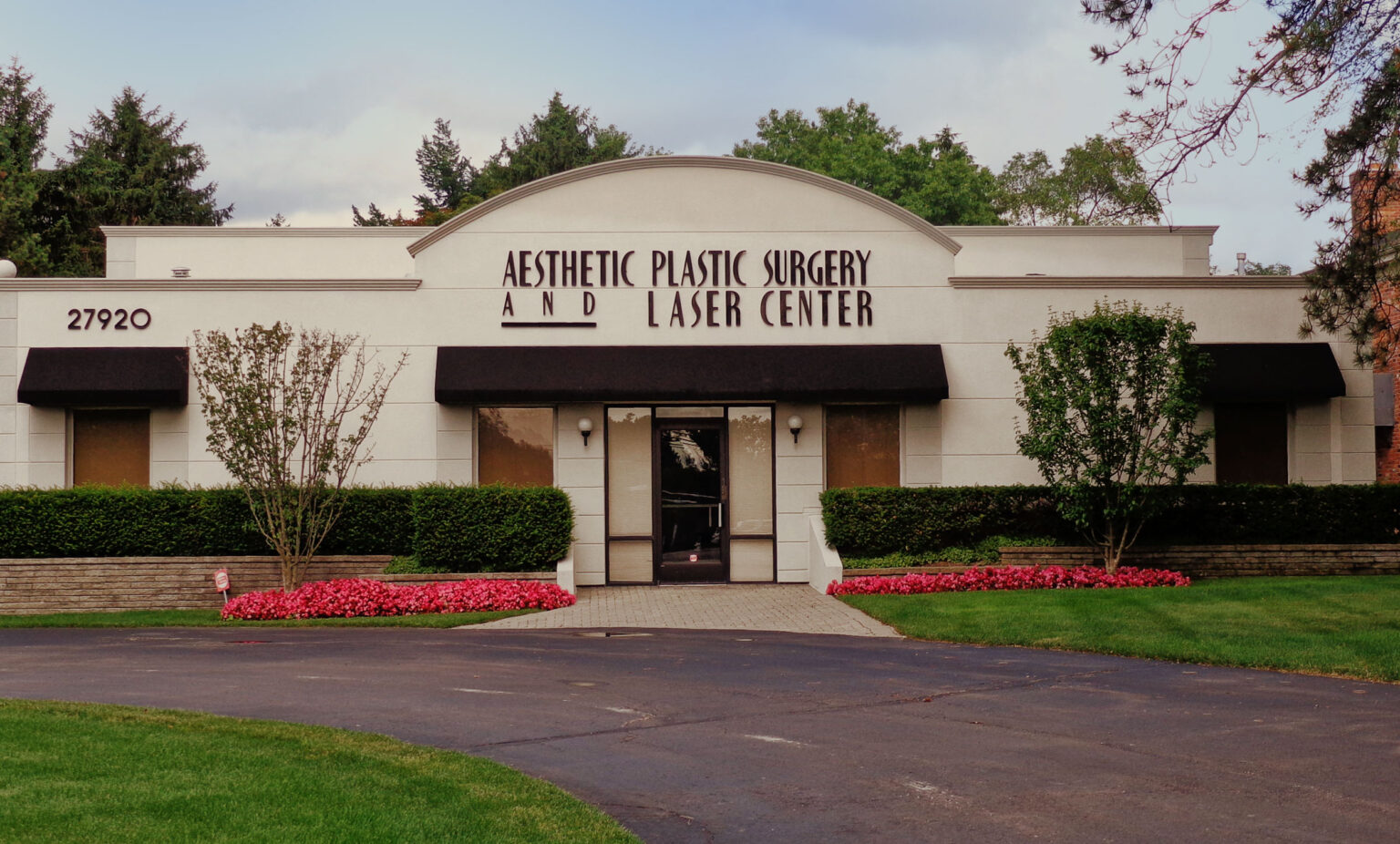
Aesthetic Plastic Surgery & Laser Center, Michelle Hardaway M.D.
27920 Orchard Lake Rd, Farmington Hills, MI 48334, United States
+1 248-221-1957
FAQ About Liposuction Michigan
Is 55 too old for liposuction?
Age 55 alone does not determine suitability. A surgeon evaluates overall health, skin quality, healing risks, and realistic goals. A personal consultation is needed to assess candidacy and discuss alternatives.
What happens 10 years after liposuction?
Contour improvements can last, especially with stable weight. Aging, pregnancy, and weight changes can alter the appearance over time. Results vary, and liposuction does not prevent future body changes.
Can lipo get rid of an apron belly?
Liposuction reduces localized fat but does not remove hanging excess skin. An apron belly may require assessment for a skin-removal procedure instead of, or alongside, fat removal. A qualified plastic surgeon can explain appropriate options and their risks.