21 October 2026
Liposuction Michigan for Patients Near Detroit and Beyond
Presented by @titusjmyh824


For many patients, the decision to explore body contouring starts quietly. It is not always dramatic dissatisfaction. More often, it is a familiar frustration with one or two areas that have resisted steady exercise, thoughtful eating, and time. The waist that never quite narrows after pregnancies. The lower abdomen that changed after weight loss. The flanks, thighs, or upper arms that seem genetically determined to hold on to fullness no matter what the scale says.
That is usually where the conversation about Liposuction Michigan begins, especially for people living near Detroit and throughout the state. They are not necessarily looking for a different body. They are looking for proportion, balance, and a shape that makes sense for the effort they already put into their health.
Liposuction can be an excellent procedure when the goals are realistic and the planning is careful. It can also be misunderstood. Some patients come in expecting a weight loss operation. Others assume it is a simple, lunchtime cosmetic fix. Neither view is accurate. Liposuction is a surgical contouring procedure, and the best results come from matching the right technique to the right patient at the right time.
Why patients in Michigan ask about liposuction
Michigan patients often describe the same pattern. They have been active on and off for years, or they have recently made a real commitment to fitness. They may have lost 20, 40, or 80 pounds. Their health has improved, but certain areas still do not reflect the rest of their progress. The body can be stubborn that way.
In the Detroit metro area, this conversation also tends to happen among busy professionals, parents, and people with long commutes. They want practical answers. How much time off work will recovery take? Can they drive after surgery? Will the result still look natural in business clothes, gym wear, and everyday life? Those are sensible questions, and they matter more than glossy before and after promises.
For patients outside Detroit, including those coming from Ann Arbor, Lansing, Flint, Grand Rapids, or northern Michigan, there is often another layer. They may be traveling farther for consultation and surgery, so they need a plan that respects weather, distance, and follow-up logistics. A patient driving two hours home in February has very different practical concerns than someone who lives ten minutes from the surgical center.
What liposuction actually does
Liposuction removes pockets of fat from selected areas to improve contour. It is most effective when the skin has enough elasticity to contract after the fat is reduced. That is why the ideal candidate is often close to a stable, healthy weight and bothered by shape rather than by the number on the scale.
Good liposuction is not just subtraction. It is sculpting. The surgeon is paying attention to transitions, symmetry, and how one area relates to the next. Removing too little can leave the patient disappointed. Removing too much can create irregularities, hollows, or an unnatural look. The best work is often the kind that does not announce itself. People notice that clothes fit better, the waist looks cleaner, and the whole silhouette seems more balanced, even if they cannot immediately explain why.
Areas commonly treated include the abdomen, flanks, outer thighs, inner thighs, back, upper arms, neck, and under the chin. Some patients need a single focused area. Others benefit from treating several related zones in one surgery, such as the abdomen and flanks together. That kind of decision should come from anatomy and safety, not from the temptation to do everything at once.
The difference between weight loss and contouring
This is one of the most important conversations in consultation. Liposuction is not a substitute for long-term weight management. Patients who expect the procedure to deliver a major drop on the scale are usually aiming at the wrong target.
A person can lose a meaningful amount of weight and still dislike localized fullness. Another person can have a fairly stable weight and still feel that the body lacks proportion. Liposuction serves the second problem far better than the first.
In practice, the happiest patients usually share a few traits. Their weight has been reasonably stable for several months. Their medical conditions are well managed. They understand that surgery improves contours but does not create perfection. And they have a clear reason for wanting the procedure now, not a vague hope that it might solve broader dissatisfaction.
That last point matters. Cosmetic surgery tends to go best when the goal is specific. “I want my lower abdomen and waistline to match the rest of my frame” is a much healthier and more useful goal than “I want to completely reinvent how I look.”
Candidacy is more nuanced than many people expect
A consultation for liposuction is not simply a yes or no based on body mass index or age. Those factors matter, but they are only part of the picture. Skin quality matters. Muscle tone matters. The distribution of fat matters. Prior pregnancies matter. Previous surgery matters. So does nicotine use, because it can affect healing.
One common misconception is that younger automatically means better results. Younger skin often has better elasticity, but some younger patients have poor habits, unstable weight, or goals shaped more by social media than by reality. On the other hand, some patients in their forties, fifties, or sixties do beautifully because they are healthy, consistent, and realistic.
There is also an important distinction between fullness caused mainly by fat and fullness caused by loose skin. If skin laxity is significant, liposuction alone may not be enough. In those cases, removing fat without addressing the skin can actually make the looseness more obvious. This comes up often in the abdomen after pregnancy or major weight loss, and in the upper arms or inner thighs for some patients. A more comprehensive contouring procedure may be the better choice.
Why consultation quality matters more than marketing
Patients near Detroit have plenty of options. That can be helpful, but it can also make the search noisy. Online ads and social media clips tend to simplify a process that should be individualized. A polished website does not tell you how carefully a surgeon evaluates anatomy, how conservative they are when caution is warranted, or how available the team will be when questions come up during recovery.
A strong consultation should feel detailed, not rushed. You should leave with a better understanding of your anatomy, your options, and the likely trade-offs. If the conversation stays vague, or if every concern is brushed aside with easy reassurance, that is not a strength.
A worthwhile consultation usually covers the treatment plan, expected improvement, likely swelling timeline, recovery limits, scar placement if any other procedures are involved, and what happens if your anatomy suggests that liposuction alone will not achieve your goal. Honest recommendations are not always the ones patients expect to hear, but they are usually the ones that lead to better decisions.
Michigan-specific practical considerations
People often underestimate how much regional logistics affect the experience. In Michigan, the seasons matter. Surgery in January looks different from surgery in June. Compression garments under winter layers may be easier to hide, but icy sidewalks, long drives, and limited mobility right after surgery are real considerations. Summer surgery can be convenient for time off and lighter clothing, but heat and swelling can make compression feel more tedious.
For patients coming from the Detroit suburbs, the main issue is often coordinating work and home life. For patients traveling from farther out, it is usually about transportation and follow-up. If you live outside the immediate metro area, ask early how many in-person visits will be needed, whether any portions of follow-up can be handled remotely when appropriate, and how to plan the trip home comfortably and safely.
It is also wise to think about support at home. Even when liposuction is not as recovery-intensive as larger body contouring procedures, you are still having surgery. It helps to have someone available, especially during the first day or two, for transportation, meal setup, and the ordinary tasks that feel strangely inconvenient when you are sore and swollen.
What recovery really feels like
Patients often want a single neat answer about downtime, but recovery has stages. The first several days are usually the most uncomfortable, with soreness, drainage from small incision sites, swelling, and fatigue. Many describe it as feeling bruised and tight rather than experiencing sharp pain. By the end of the first week, most people are moving more comfortably, though they are not back to normal.
Swelling is the part people underestimate most. Early contour changes can be visible surprisingly soon, but final refinement takes longer. The body needs time to settle. That means patience, especially for patients who are used to quick feedback from diet and exercise.
Compression garments are often part of the process, and they are not glamorous. They help support healing and can make patients feel more secure, but they require consistency. It is one thing to agree to compression in the office and another to live in it through work schedules, sleep, and changing weather. This is where realistic preoperative counseling helps. The more clearly patients understand the routine ahead of time, the less frustrated they are by normal recovery demands.
Combining liposuction with other procedures
Many Michigan patients ask whether liposuction can be paired with another surgery. Sometimes the answer is yes, and sometimes restraint is the better choice.
Abdominal liposuction is often discussed alongside a tummy tuck, especially after pregnancy or significant weight loss. The reason is simple. The patient may have both extra fat and stretched skin, sometimes with muscle separation. Liposuction addresses the fatty component. A tummy tuck addresses loose skin and, when appropriate, muscle repair. One without the other may leave the patient only partly satisfied.
The same principle applies elsewhere. Liposuction under the chin can sharpen the neck beautifully in the right patient, but if skin laxity is significant, the result may be limited without a lifting component. Arm liposuction can improve fullness, but if the skin is lax, the trade-off between scar and contour needs to be discussed openly.
This is where judgment matters. Combining procedures can improve efficiency and overall balance, but more surgery is not always better surgery. Safety, operative time, and recovery burden all count.
Questions worth asking before you commit
If a patient is not sure how to compare options, a short set of questions can help cut through marketing language:
- Am I a good candidate for liposuction alone, or would another procedure address my concerns more completely?
- What result is realistic for my anatomy, not for an ideal patient in a photo gallery?
- How much swelling should I expect, and when do most patients with my treatment areas feel comfortable returning to work?
- If I live outside Detroit or farther across Michigan, what is the follow-up plan?
- What does your team want me to do before surgery to improve healing and reduce avoidable problems?
Those answers often reveal more than a polished sales pitch ever will.
The emotional side of body contouring
This part deserves more attention than it usually gets. Liposuction is physical, but the decision is emotional too. People come in carrying years of annoyance, self-consciousness, or quiet disappointment. They may have avoided fitted clothes, photos, or certain activities. They may also feel embarrassed for caring so much about one area of their body.
There is nothing trivial about wanting your appearance to align more closely with how you feel. At the same time, surgery works best when it is not asked to carry too much psychological weight. It can improve proportion. It can remove a stubborn distraction. It can make dressing easier and exercise clothes less aggravating. What it cannot do is resolve every insecurity or create permanent confidence in the absence of self-acceptance.
Patients who do best emotionally are usually those who see liposuction as a targeted improvement, not a rescue mission.
Cost, value, and the danger of shopping by price alone
Cost matters. It should matter. Surgery is an investment, and very few patients treat it casually. But liposuction is one of those procedures where the cheapest option can become expensive in other ways. Revision surgery, prolonged recovery, contour irregularities, and unmet expectations carry a cost that is not always visible on the initial quote.
Value comes from several pieces working together: surgical judgment, technical skill, patient selection, facility standards, anesthesia planning, and postoperative care. A lower fee can sometimes reflect efficiency or geography. It can also reflect corners you do not want cut. Patients do not need the most expensive quote to get excellent care, but they do need to understand what they are comparing.
If pricing feels significantly different from one practice to Liposuction Michigan michellehardawaymd.com another, ask what is included. Are garments included? Are postoperative visits included? Is anesthesia billed separately? Is the quote based on treating the full area you actually care about, or a narrower version that may not produce the balance you expect?
Results that age well
One of the better ways to think about liposuction is not whether it looks dramatic at six weeks, but whether it looks believable and balanced over the next several years. Bodies change with age, stress, hormones, and ordinary life. The most satisfying contouring results tend to be the ones that respect that reality.
A carefully shaped waist, abdomen, or thigh can remain attractive for a long time if weight stays relatively stable. A result that is too aggressive may look striking at first and less natural later. This is why many experienced surgeons favor refinement over excess. Enough change to be meaningful, enough Liposuction Michigan restraint to keep the result harmonious.
That perspective is especially useful for adults who want to look like themselves, only less burdened by a stubborn area. Most are not chasing a trend. They want to move through daily life with less friction, less self-consciousness, and a body shape that feels more in step with the effort they already make.
For patients near Detroit and across Michigan
Whether you live in downtown Detroit, the surrounding suburbs, or farther out in Michigan, the same core principle applies. Liposuction is at its best when it is personalized. The right procedure for your friend, coworker, or favorite online creator may not be the right one for you. Anatomy differs. Recovery tolerance differs. Goals differ.
A thoughtful plan accounts for where you carry fullness, how your skin behaves, what your schedule allows, and how far you are traveling for care. It also accounts for your temperament. Some patients are patient with swelling and process. Others need more structure, more follow-up, and more detailed preparation. There is no shame in that. Good surgical care should fit the person, not just the body part.
For many people exploring Liposuction Michigan, the best next step is not rushing into treatment. It is getting a clear, candid evaluation from a qualified surgeon who will tell you both what liposuction can do and what it cannot. That conversation is where realistic expectations, safer planning, and better results begin.
And when the match is right, liposuction can be remarkably effective. Not because it changes everything, but because it changes the right thing.
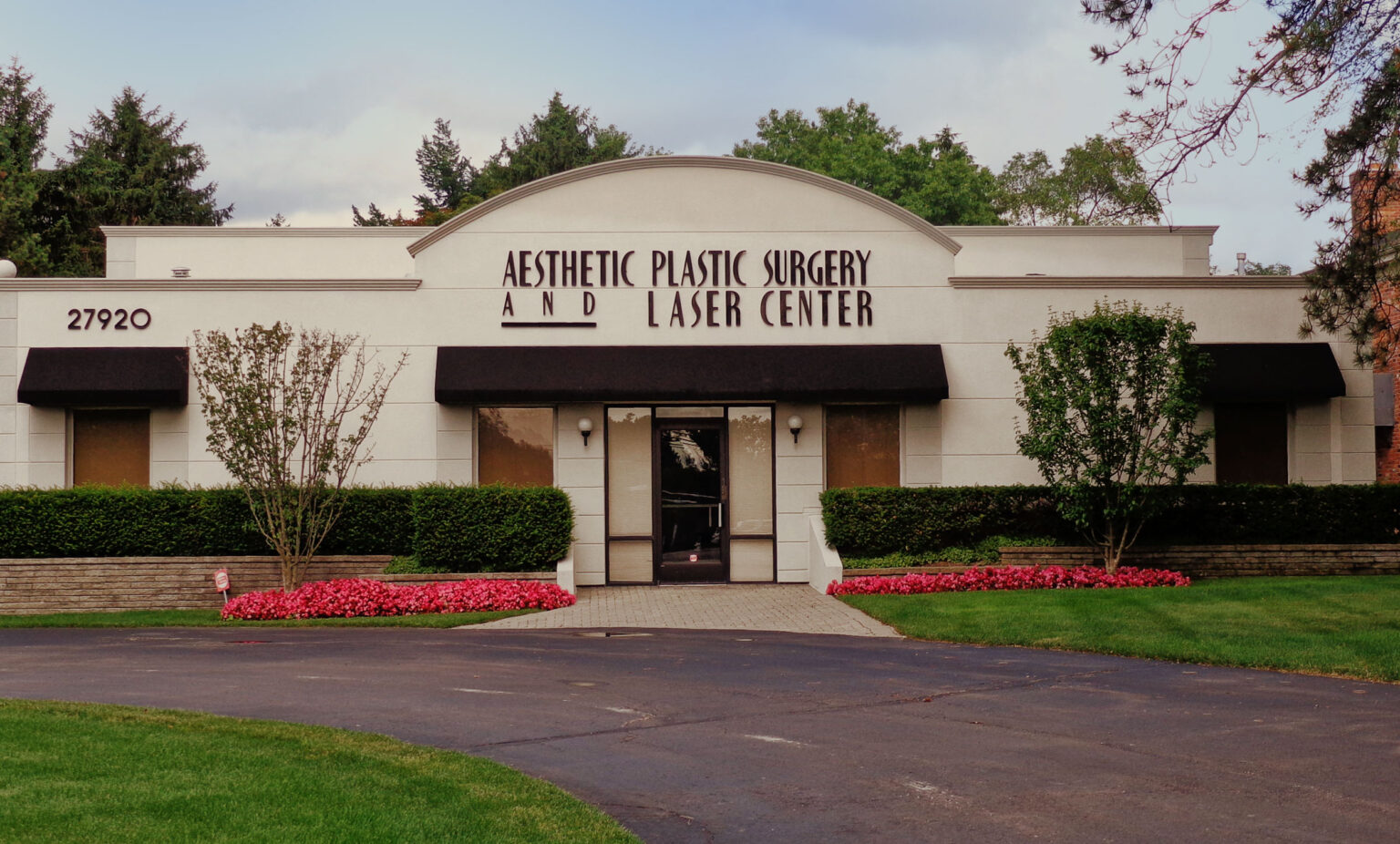
Aesthetic Plastic Surgery & Laser Center, Michelle Hardaway M.D.
27920 Orchard Lake Rd, Farmington Hills, MI 48334, United States
+1 248-221-1957
FAQ About Liposuction Michigan
Is 55 too old for liposuction?
Age 55 alone does not determine suitability. A surgeon evaluates overall health, skin quality, healing risks, and realistic goals. A personal consultation is needed to assess candidacy and discuss alternatives.
What happens 10 years after liposuction?
Contour improvements can last, especially with stable weight. Aging, pregnancy, and weight changes can alter the appearance over time. Results vary, and liposuction does not prevent future body changes.
Can lipo get rid of an apron belly?
Liposuction reduces localized fat but does not remove hanging excess skin. An apron belly may require assessment for a skin-removal procedure instead of, or alongside, fat removal. A qualified plastic surgeon can explain appropriate options and their risks.